A legend, reborn.
Review and photos by Tom Sedens. There are always more photos at the end of my reviews.
Pricing: 2025 Toyota 4Runner
Base price: $67,336
Options: $6,617 – Platinum trim
Freight: $1,930
Price as tested: $75,883
It’s not often that we get a new 4Runner. As a matter of fact, Toyota moves at a glacial pace when it comes to updating this dinosaur, never mind give us an all-new model. And so it is with great enthusiasm that I took delivery of the newest rendition of the venerable 4Runner and put it through its paces for a week.
The base trim for the hybrid powertrain (we’ll get into that later) is the TRD Off-Road Premium. I received the Platinum trim, which is a very handsome and well-equipped road-oriented package. You can take things up from there if you’re into the off-road stuff. Delving into those packages – the TRD-Pro or the insane Trailhunter – will add up to $16,865 to the base price and will make an already capable SUV into an off-roading beast.
Exterior
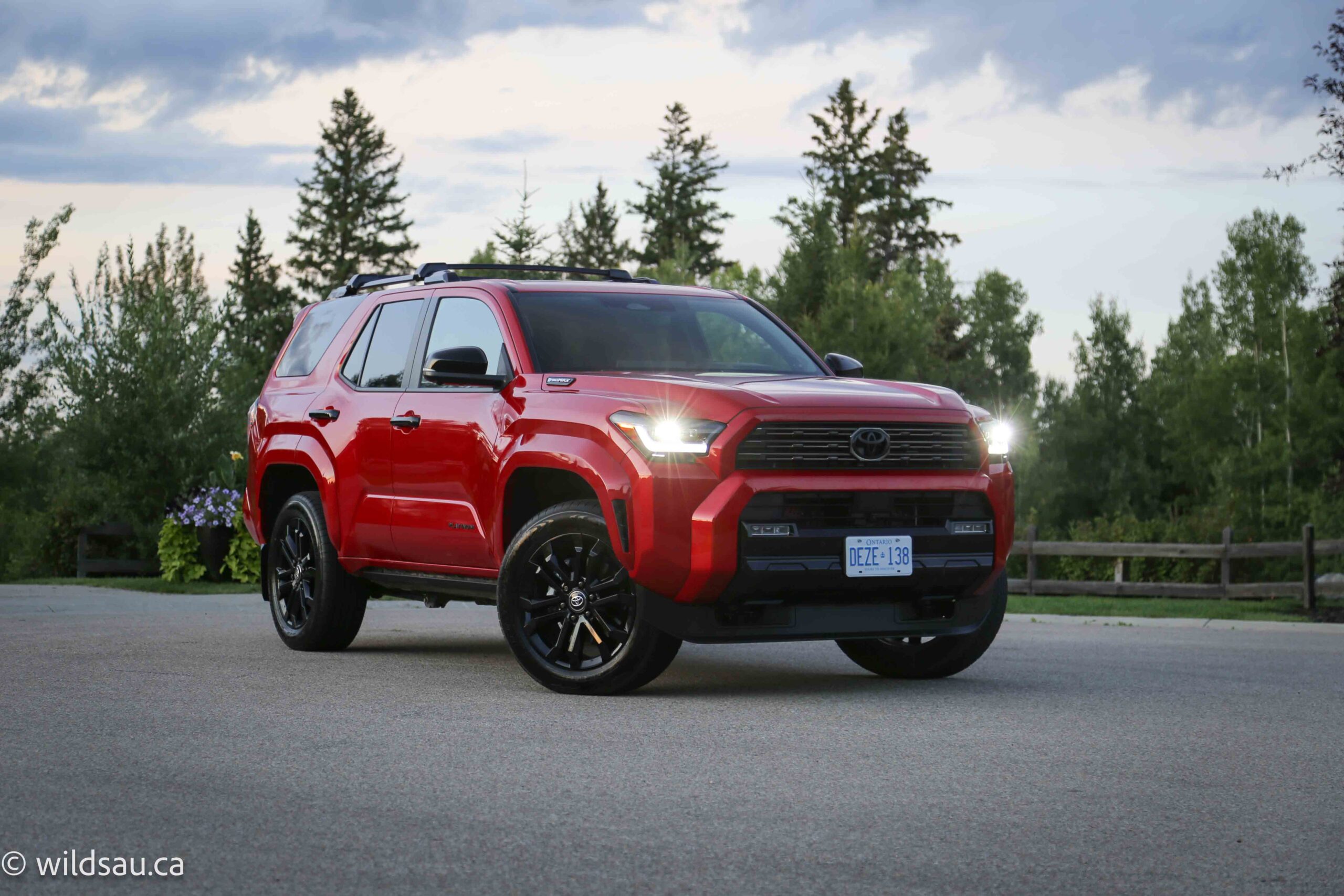
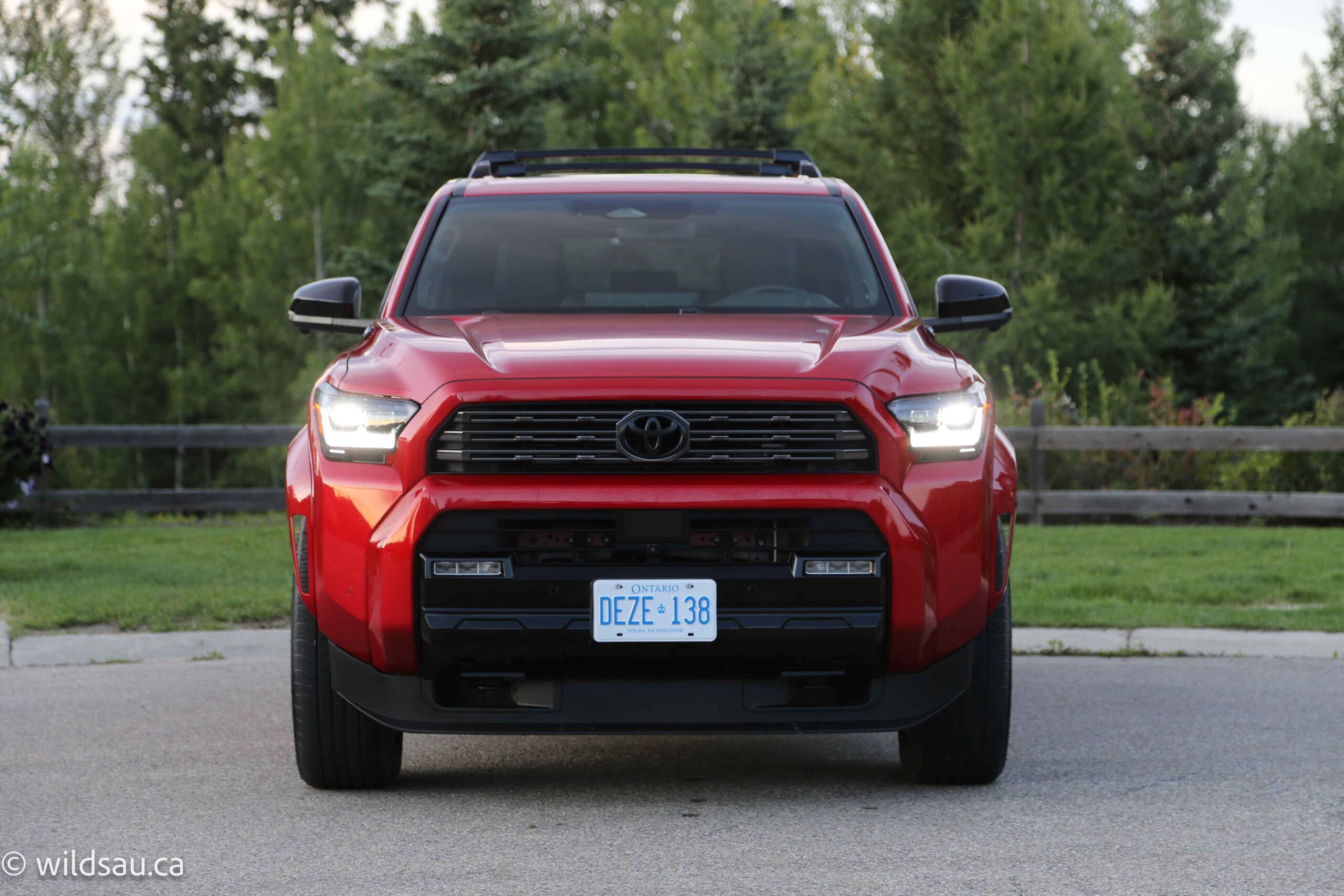
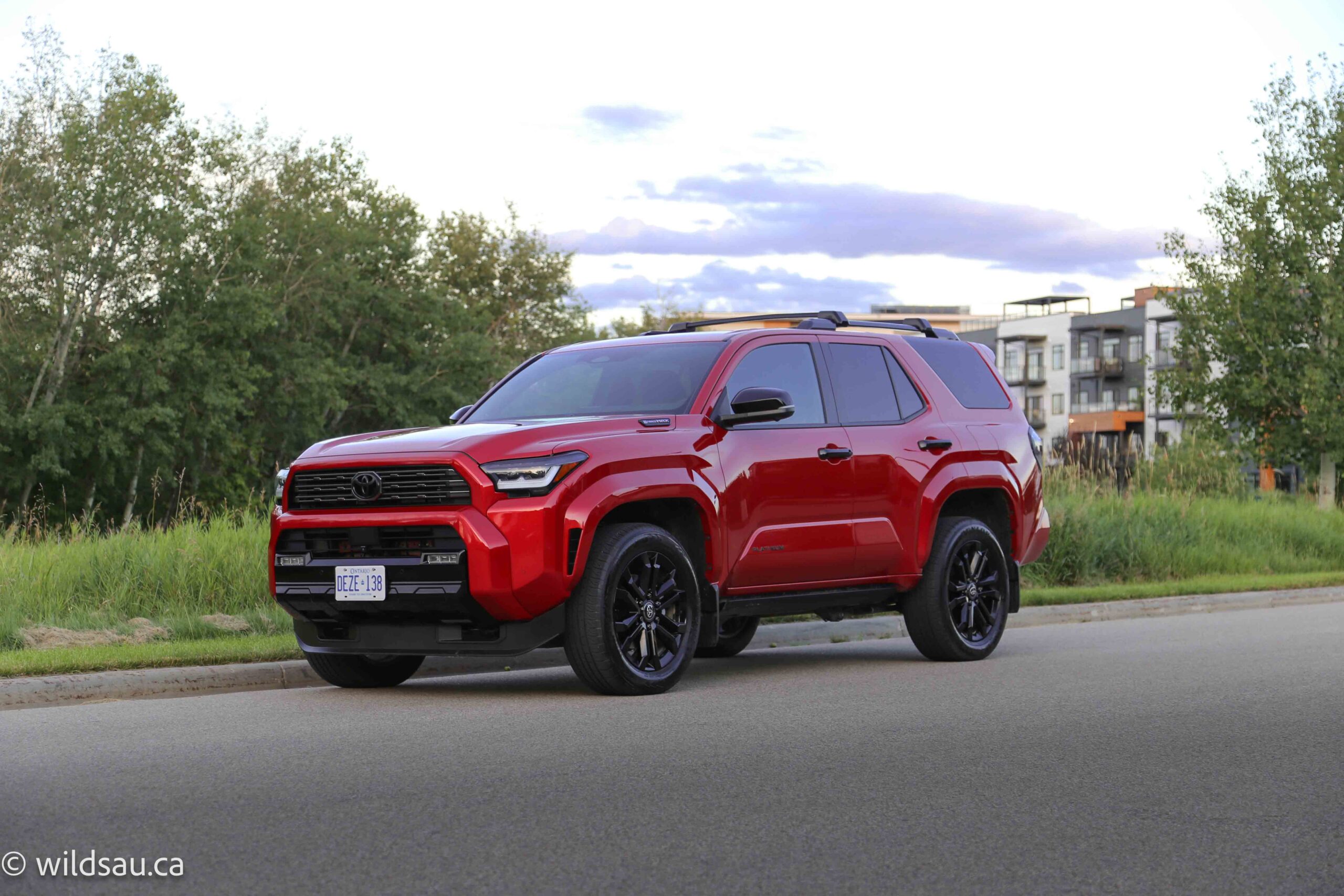
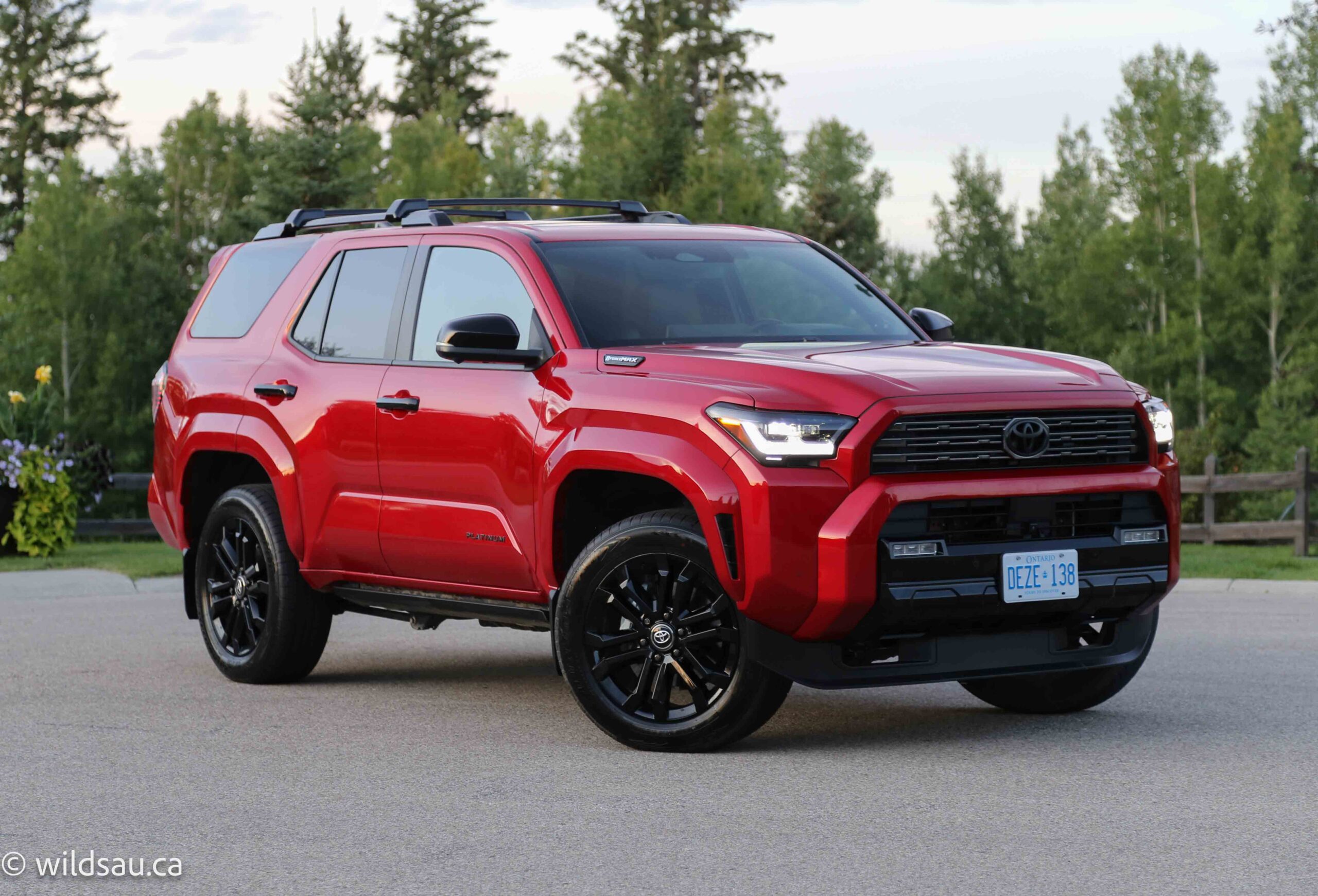
The 4Runner’s design is definitely evolutionary and I found it instantly recognizable. But it is chunkier and significantly more aggressive in my eyes, and I really like it. My review sample’s Supersonic Red paint really stands out too, and this vehicle got a lot of eyeballs, and plenty of appreciative comments – especially from owners of older generation 4Runners.
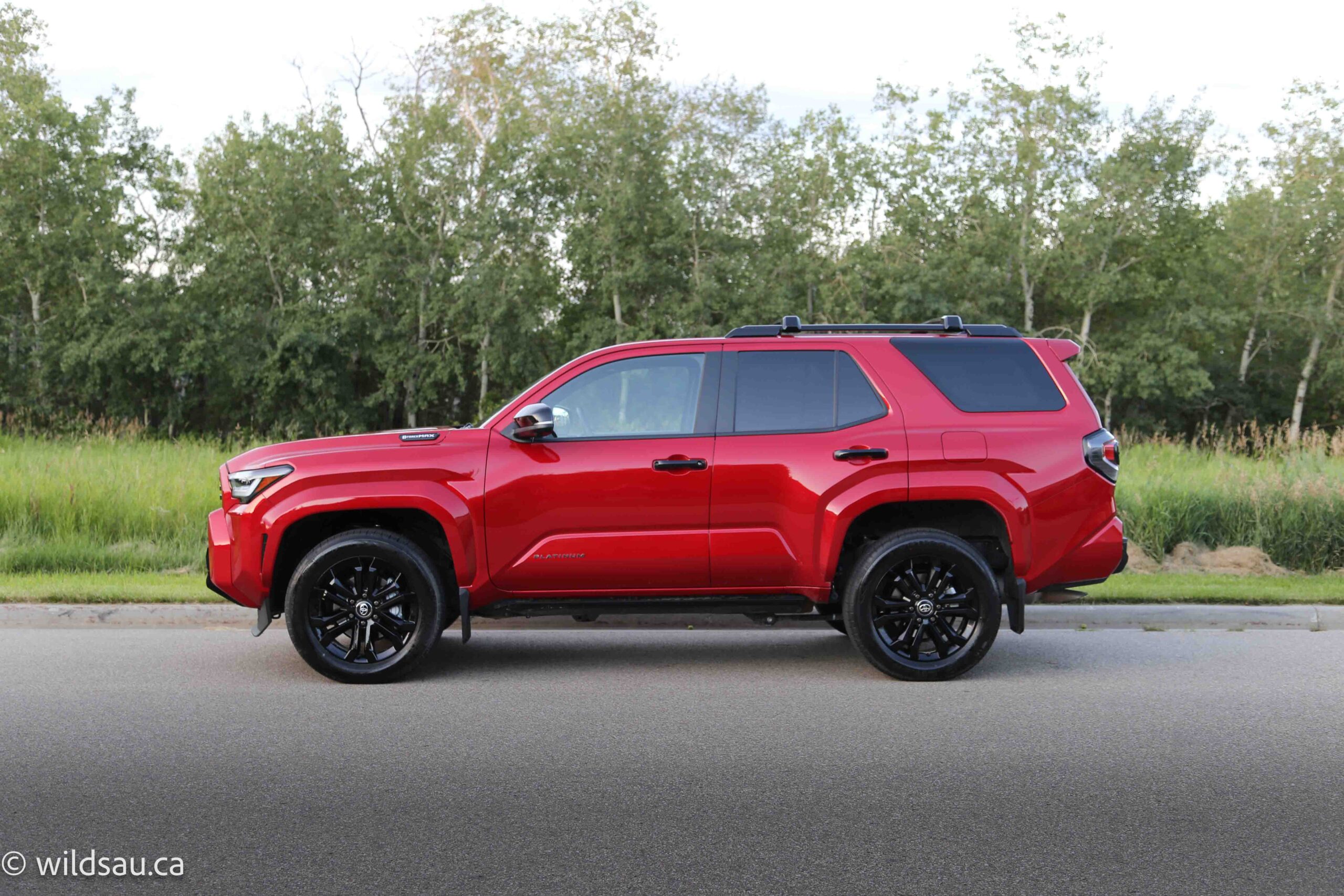
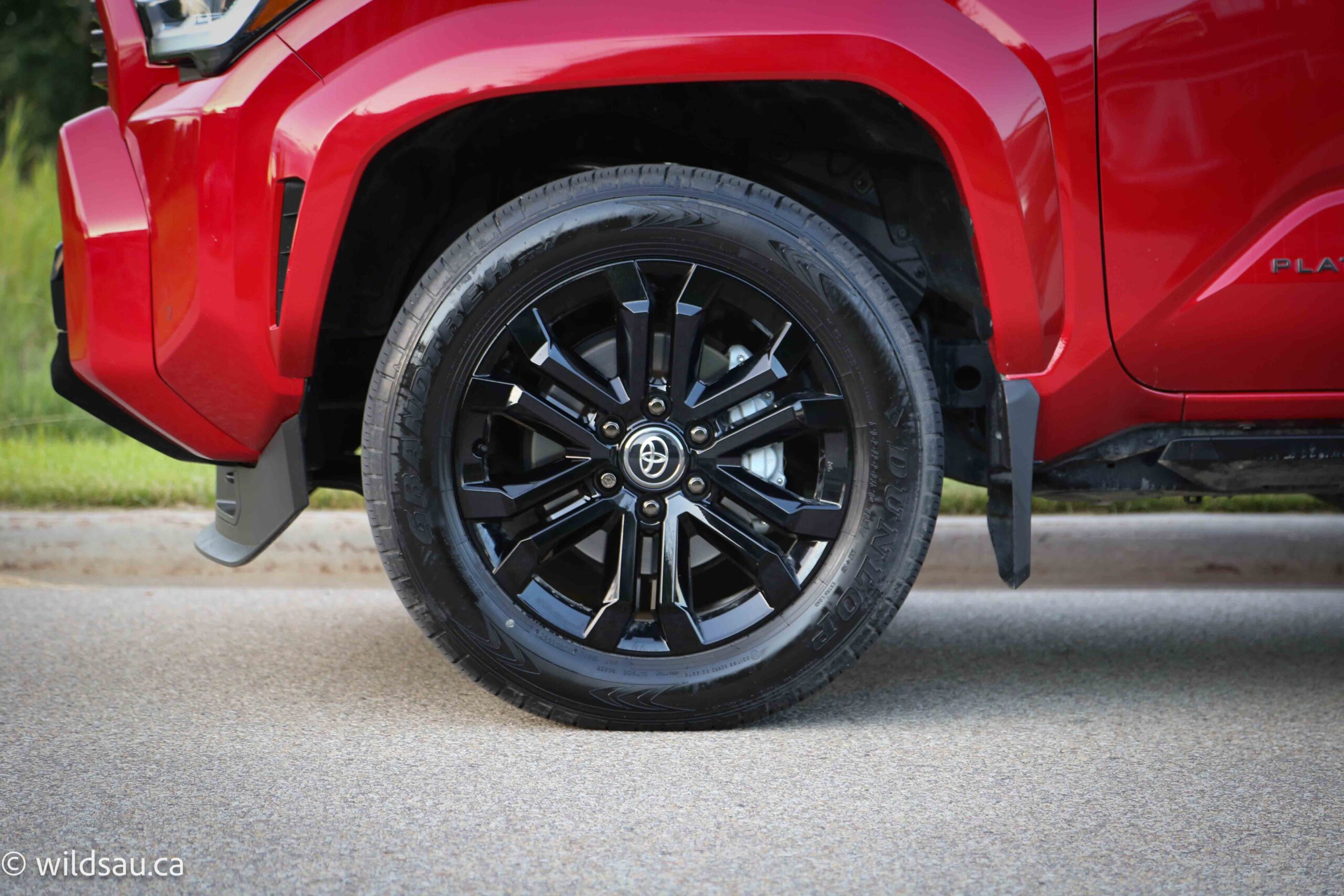
I loved the road-friendly-looking 265-55-sized tires on handsome 20-inch black alloy rims. It doesn’t look like an off-road monster like some of the other trims, and I’m OK with that. But I really do like the rough and tough look of the off-road trims as well. I like that Toyota has some visual differentiation this time around aside from bigger wheels and a few aesthetic niceties in the higher trim levels like before.
Interior/Tech/Convenience
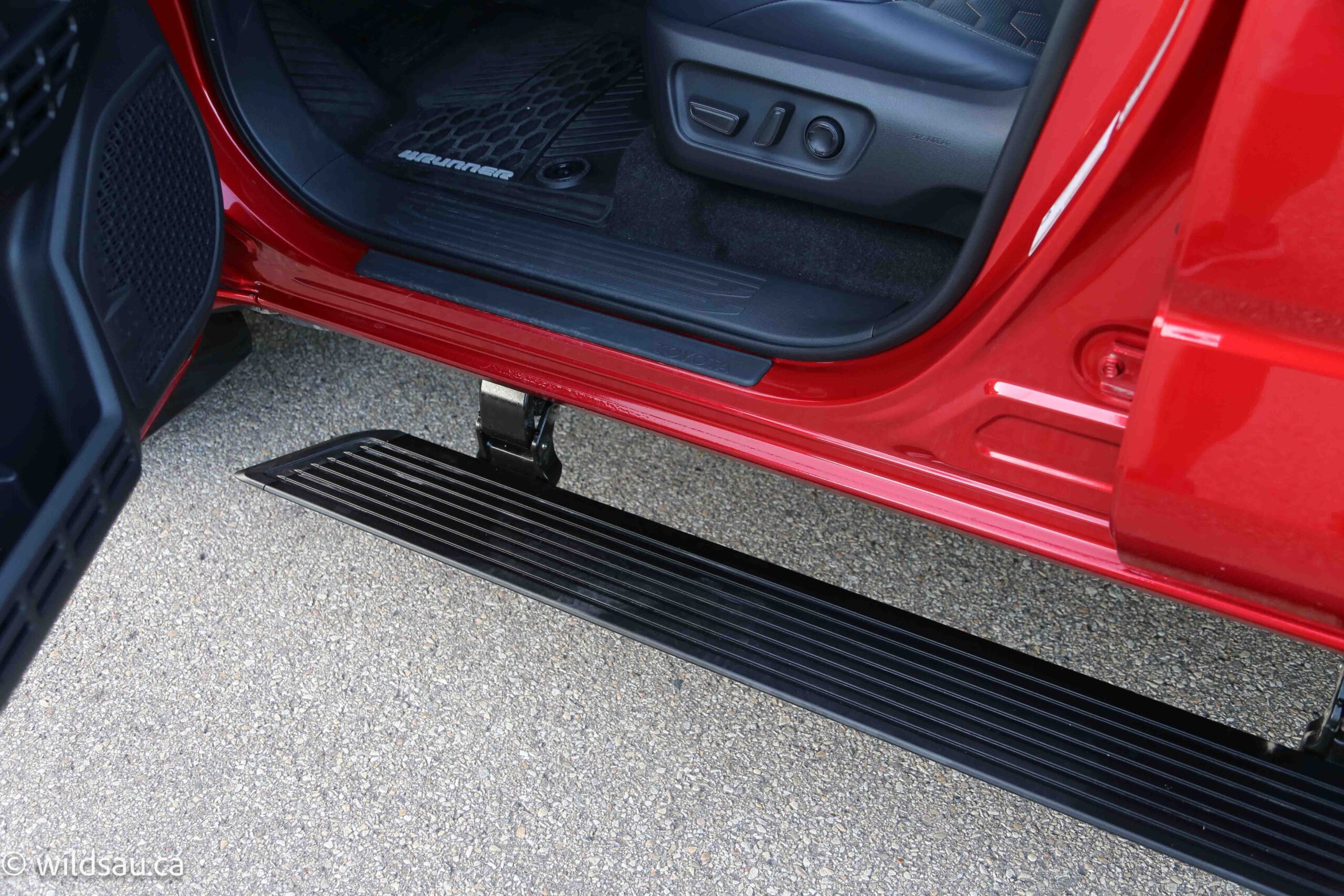
It’s quite a step up into the cabin of the 4Runner – this trim has power running boards that drop down to greet you when the doors open, and it makes that step up much more accessible. Of course, they pop right back up when the doors are closed.
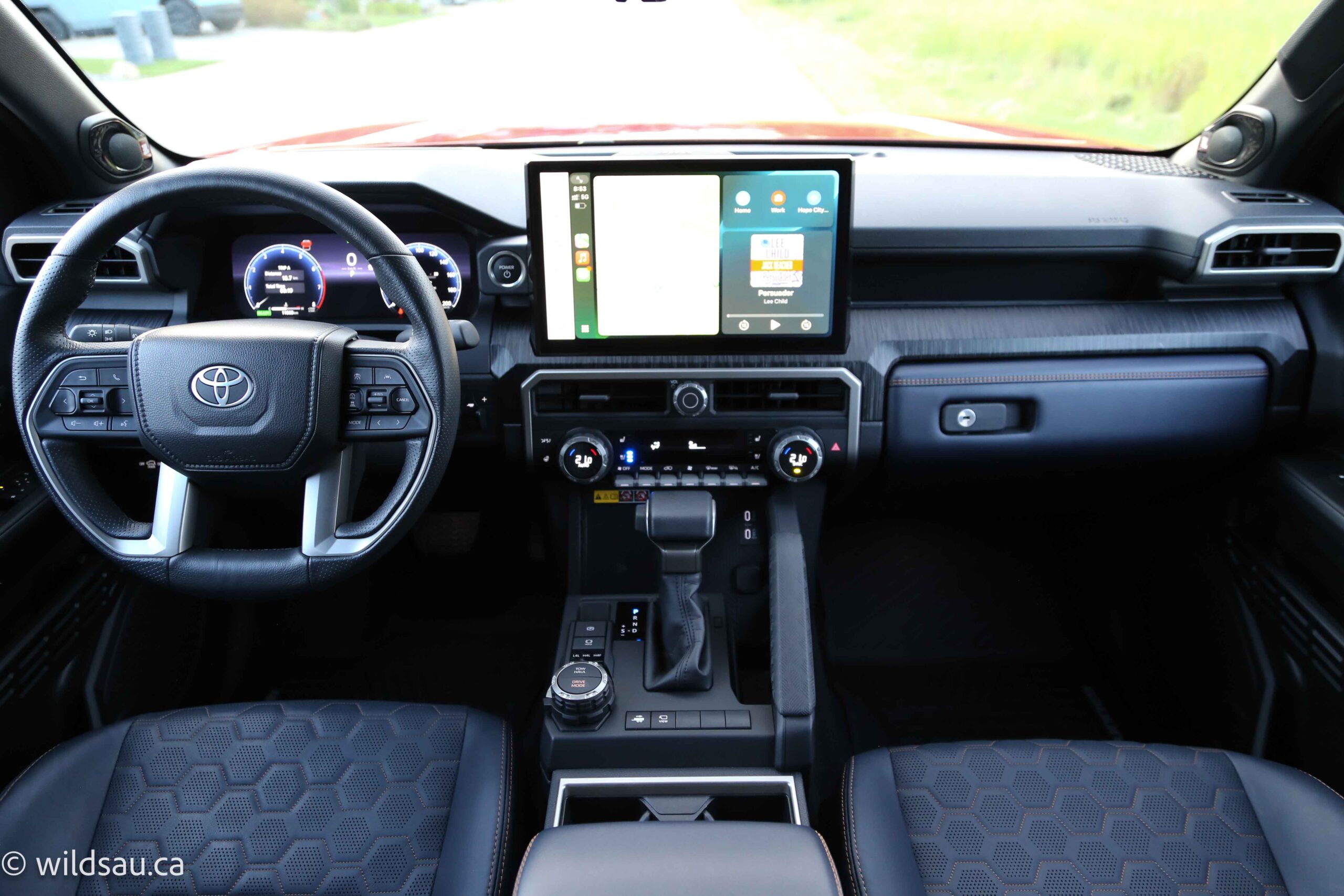
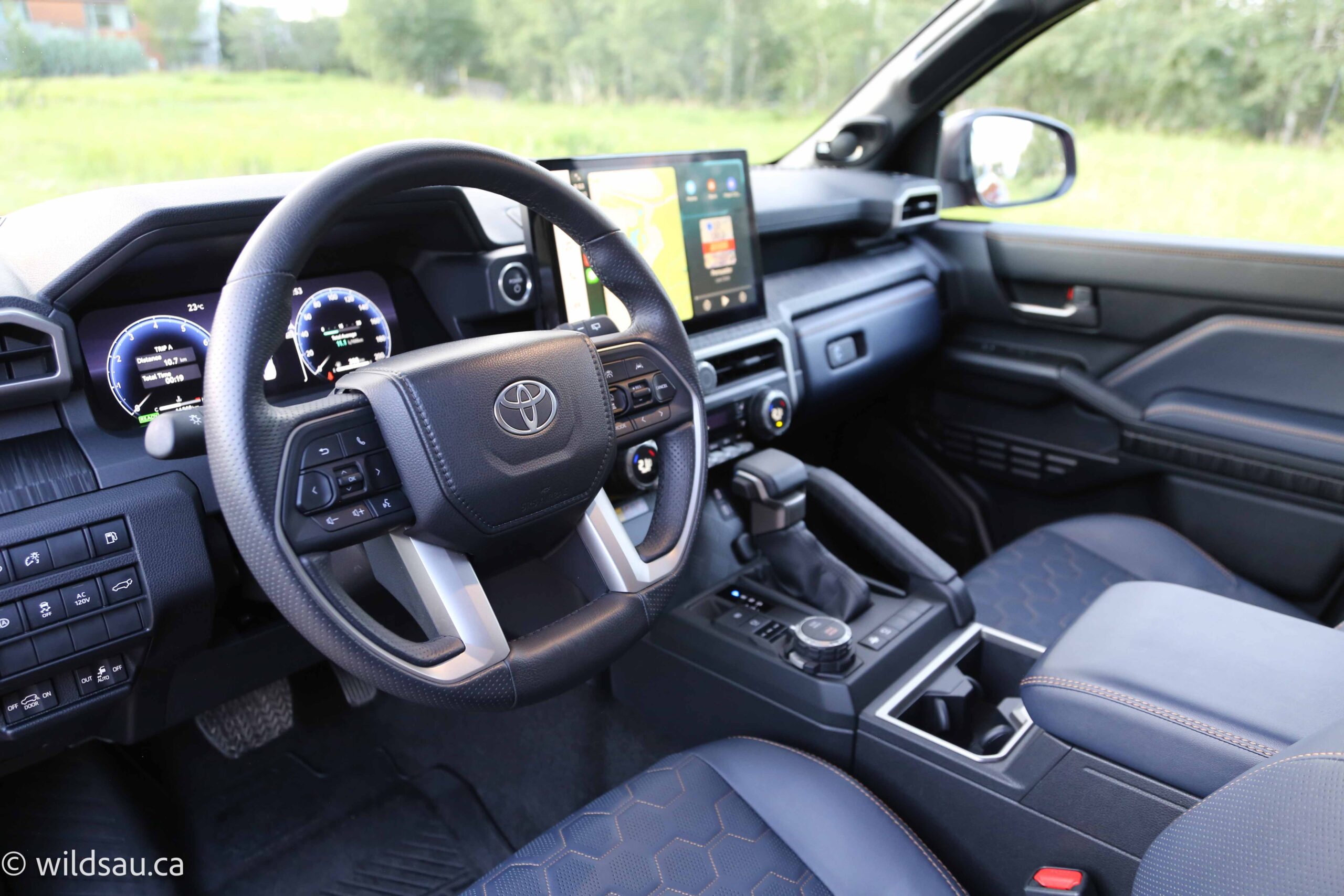
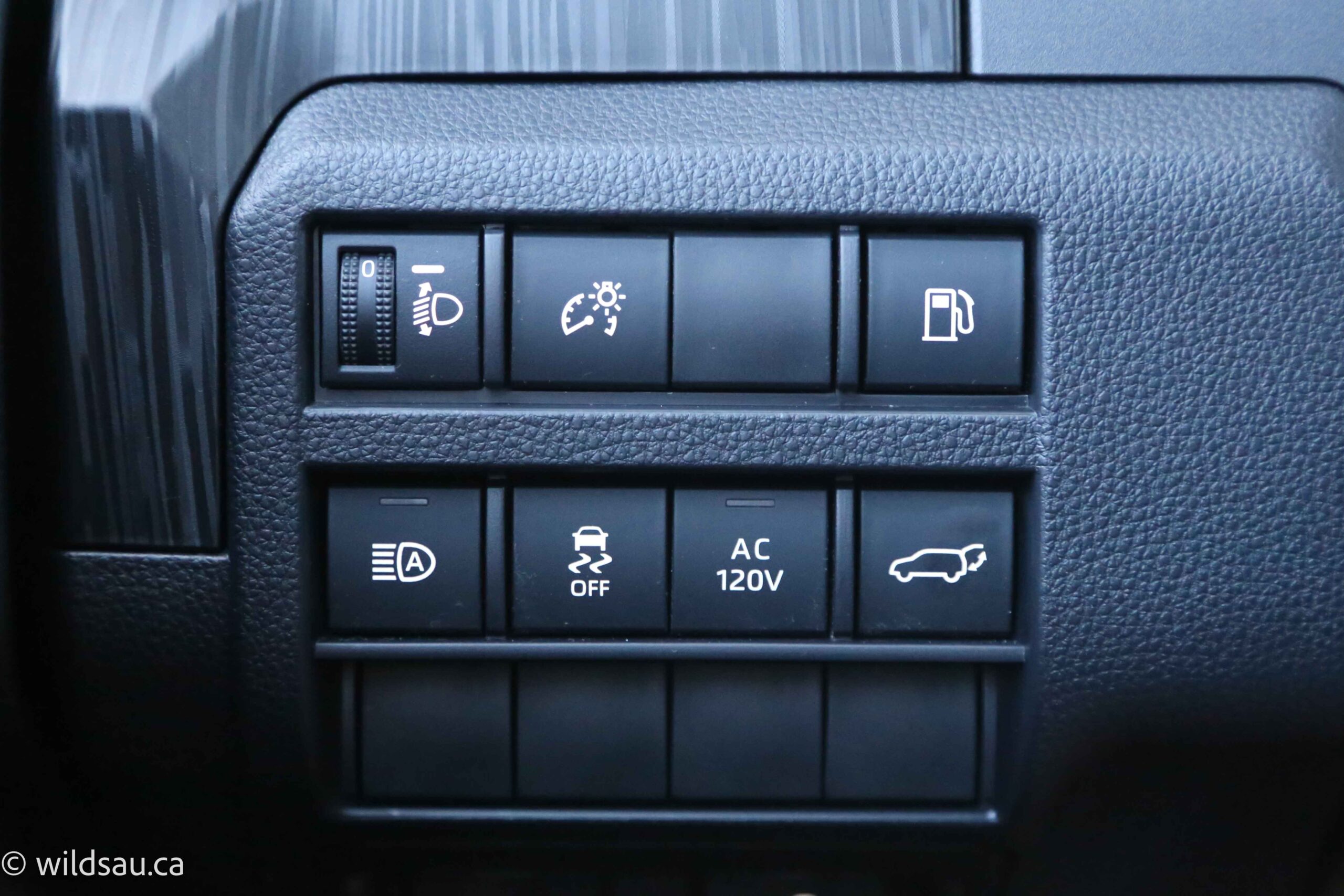
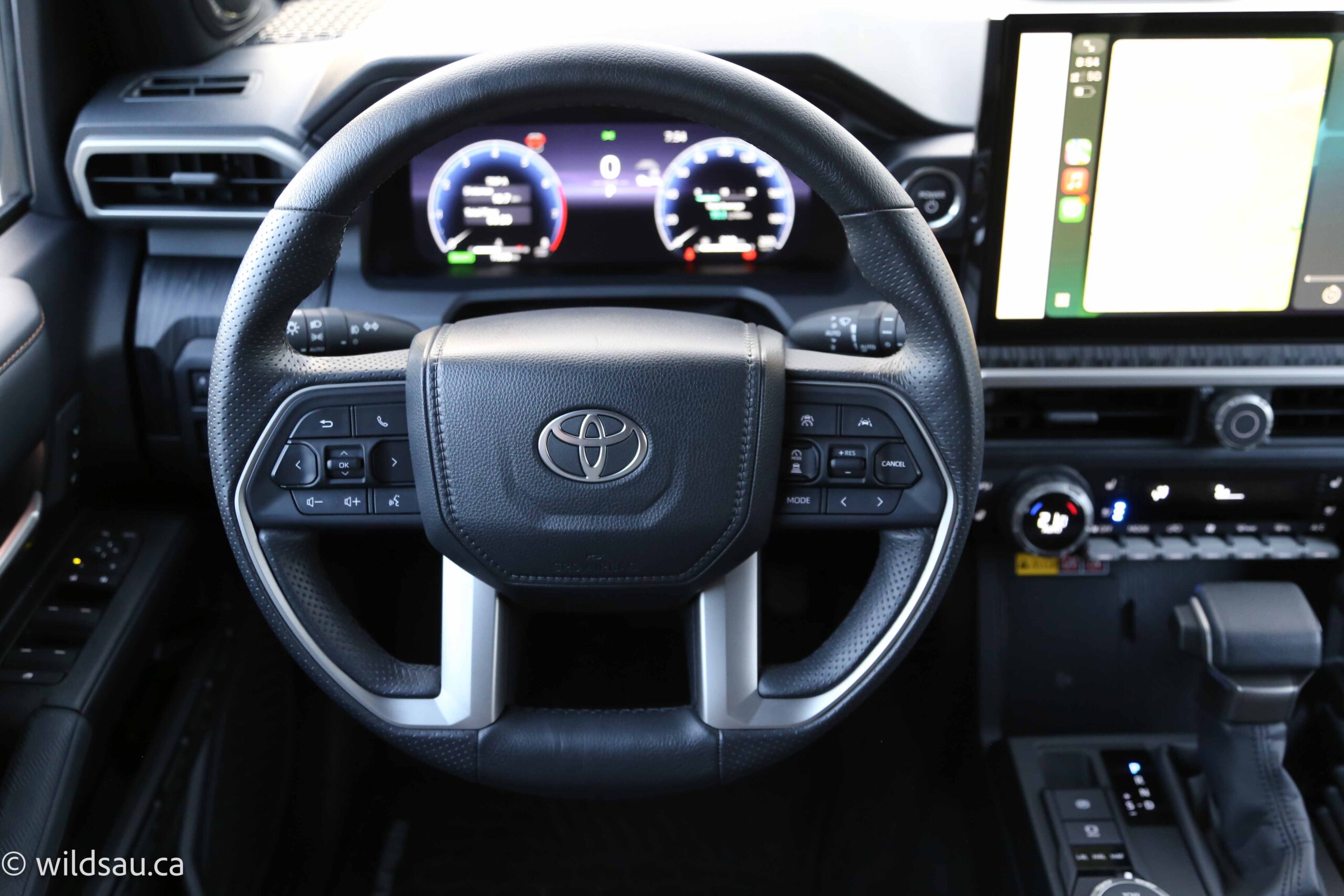
The design is definitely function before form – the knurled knobs are chunky, there are acres of hard plastic (which is easy to clean, but surprising in a nearly-$80,000 vehicle) and overall, it has a rugged, utilitarian feel to it. I liked it. The cabin is busy with plenty of hard buttons and switches and knobs. I prefer this to putting everything on the touchscreen as so many other manufacturers have done now. That said, Toyota has done away with the bulk of the audio system controls, leaving you with only a volume knob – the rest of it requires the touchscreen. Sigh.
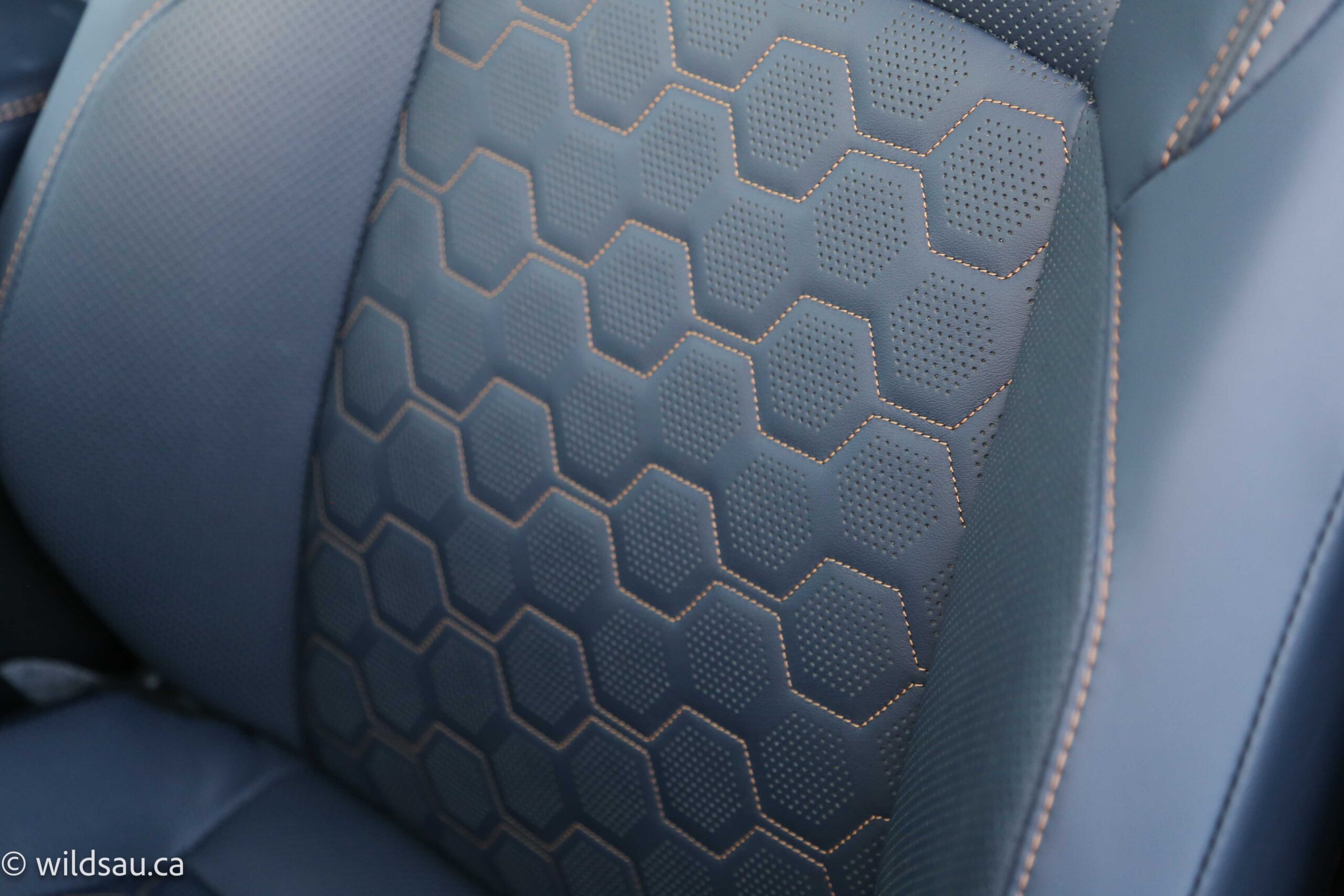
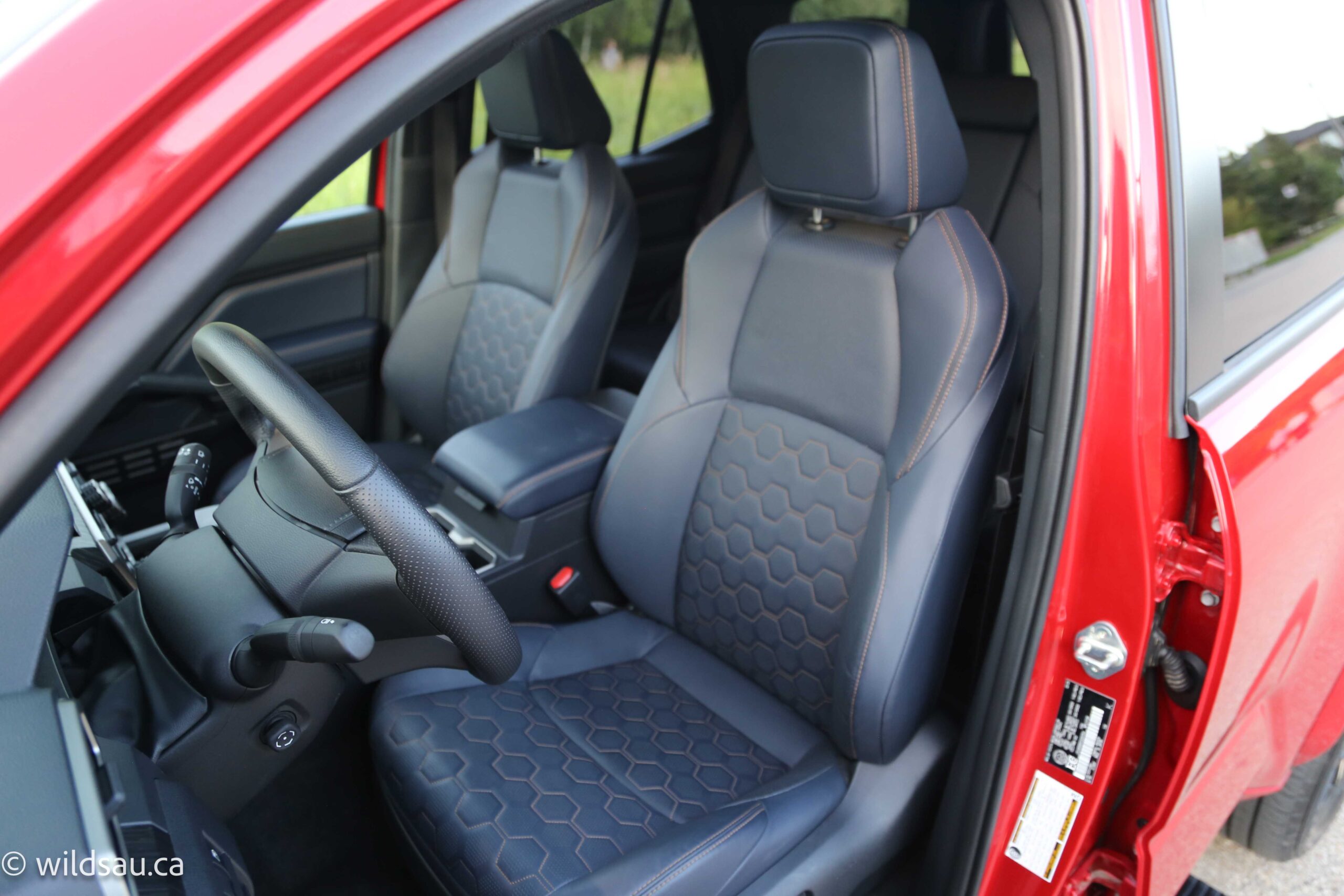
The seats are fantastic – power adjustable, heated and ventilated and upholstered in a gorgeous dark navy semi-aniline perforated leather, they were comfortable and nicely supportive. The bottom seat cushions may be a bit short for some people with longer legs.
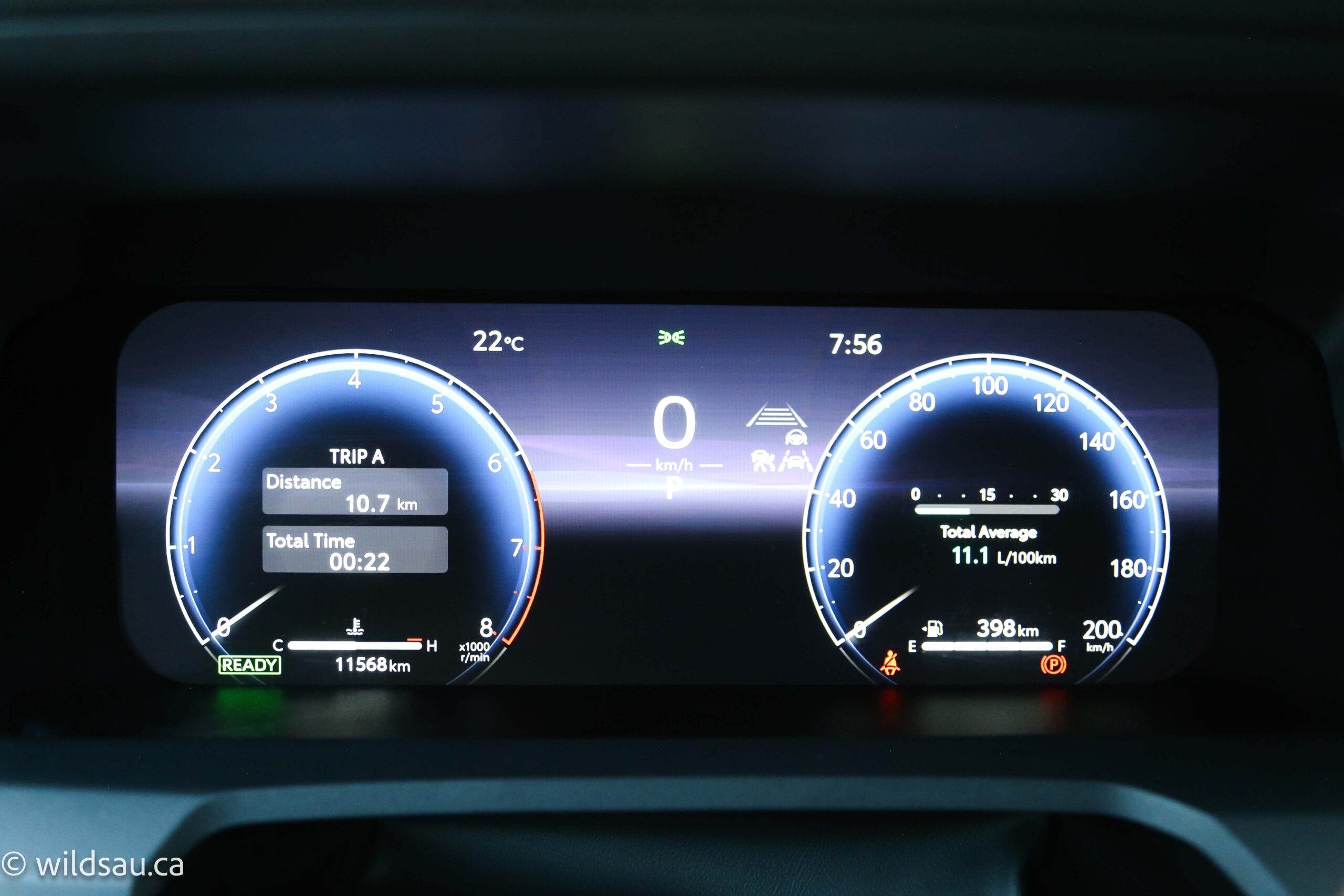
Ahead of the driver is a digital dash with speedometer and tach, and three information zones – one in the middle of the speedo, one in the middle of the tach and one in between the two in the centre. Each of these zones can be set to display a number of different options according to the driver’s needs and wants. It’s very flexible and useful.
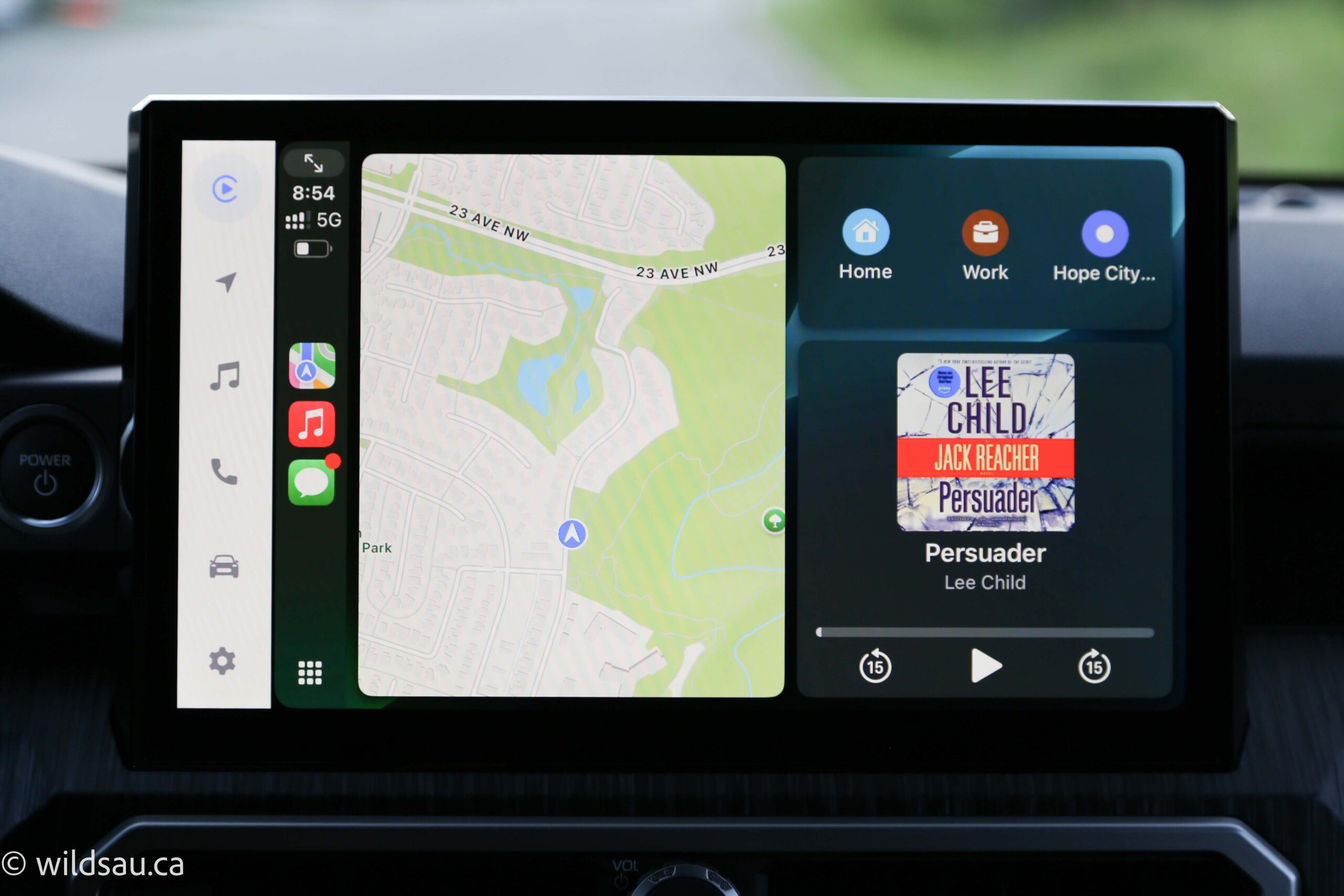
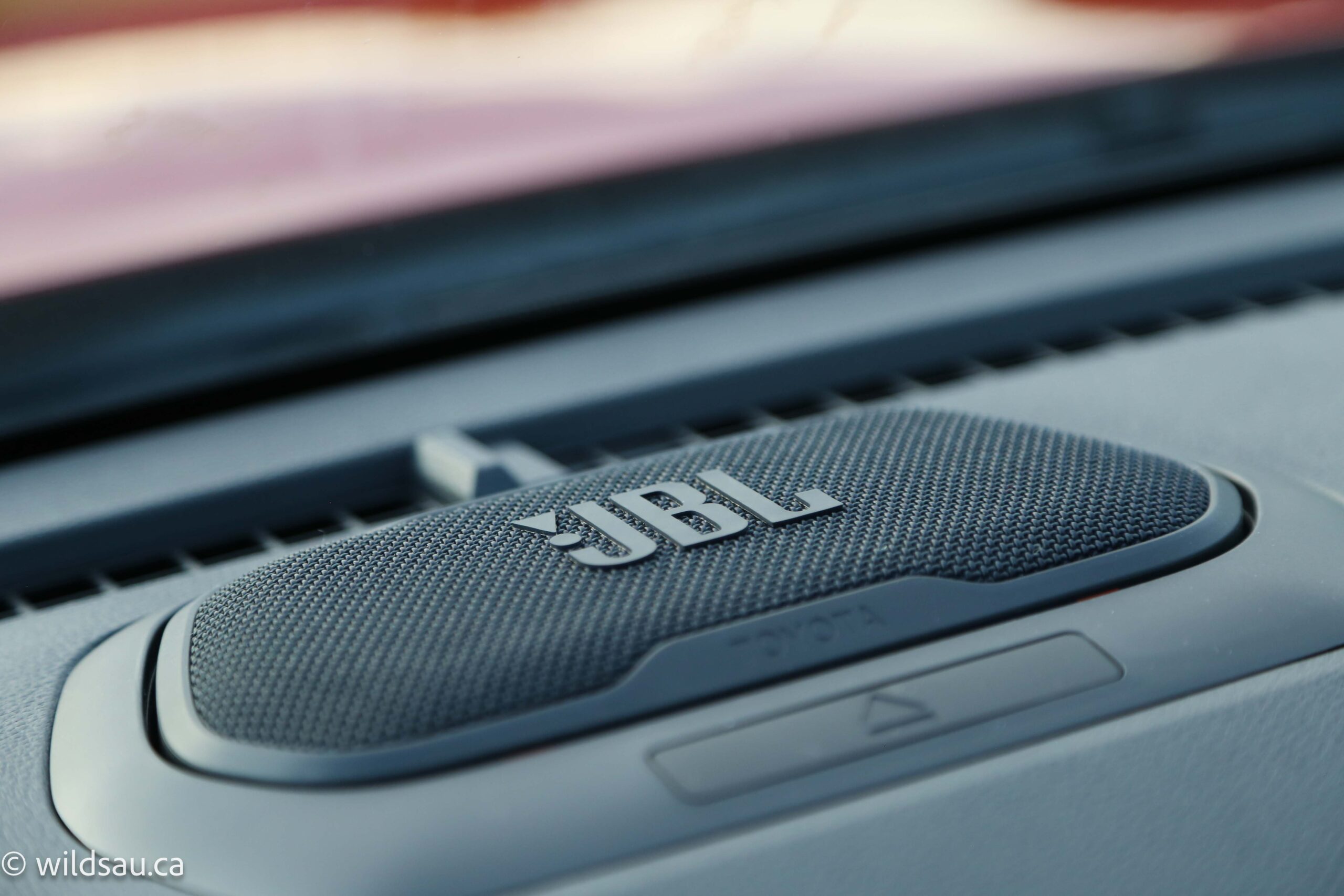
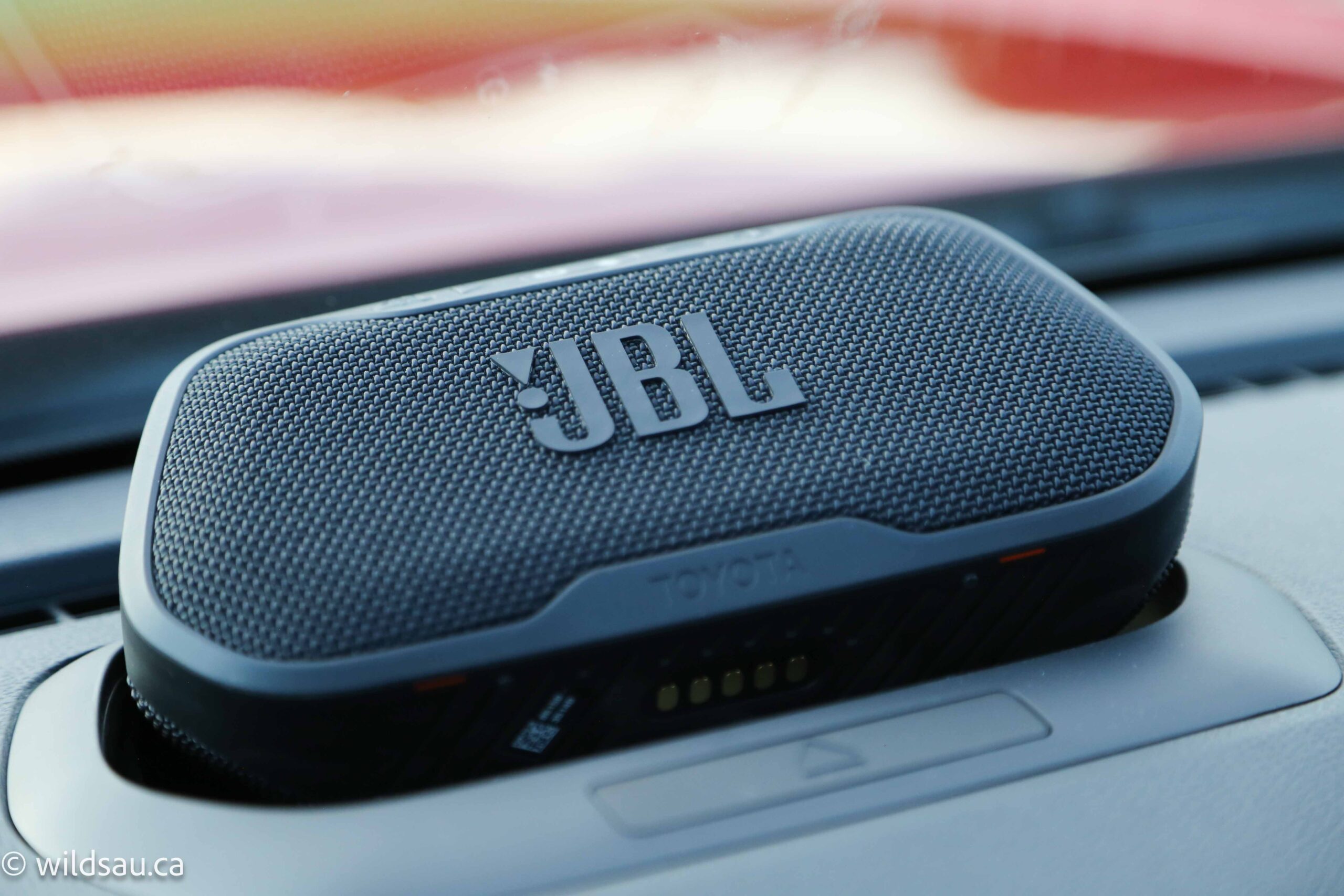
Centrally mounted is a huge 14-inch touchscreen incorporating vehicle functions, communications and the oustanding 14-speaker JBL sound system, including a super-cool FLEX speaker that is mounted in a secure charging cradle the dash and can be easily removed and used as a Bluetooth speaker anywhere. Wireless Apple Carplay and Android Auto are included, and Carplay worked perfectly for us during our week with it.
There is a wealth of driver assistance technology – blind-spot monitoring, Intuitive Parking Assist with auto braking, a sweet surround camera (with a rear camera washer) with panoramic view, heads-up display, lane departure alert and lane tracing assist, automatic high beams and road sign assist, pre-collision systems and of course an adaptive cruise control. Everything works nicely and never intruded during normal day-to-day driving.
Overhead is a standard-sized sunroof, which is a somewhat surprising in this world of panoramic glass roofs.
Rear Seats
In true 4Runner fashion, the rear seating isn’t as spacious as many would want. I’m 5’10” – I had about 2-3 inches of headroom and enough legroom. Foot space under the front seats is non-existent. And the centre seating position is absolutely miserable – with its raised and narrow seat and a huge floor tunnel, it would make for a tortuous ride for any adult sitting there. But the two outboard seats are comfortable – they are also reclinable.
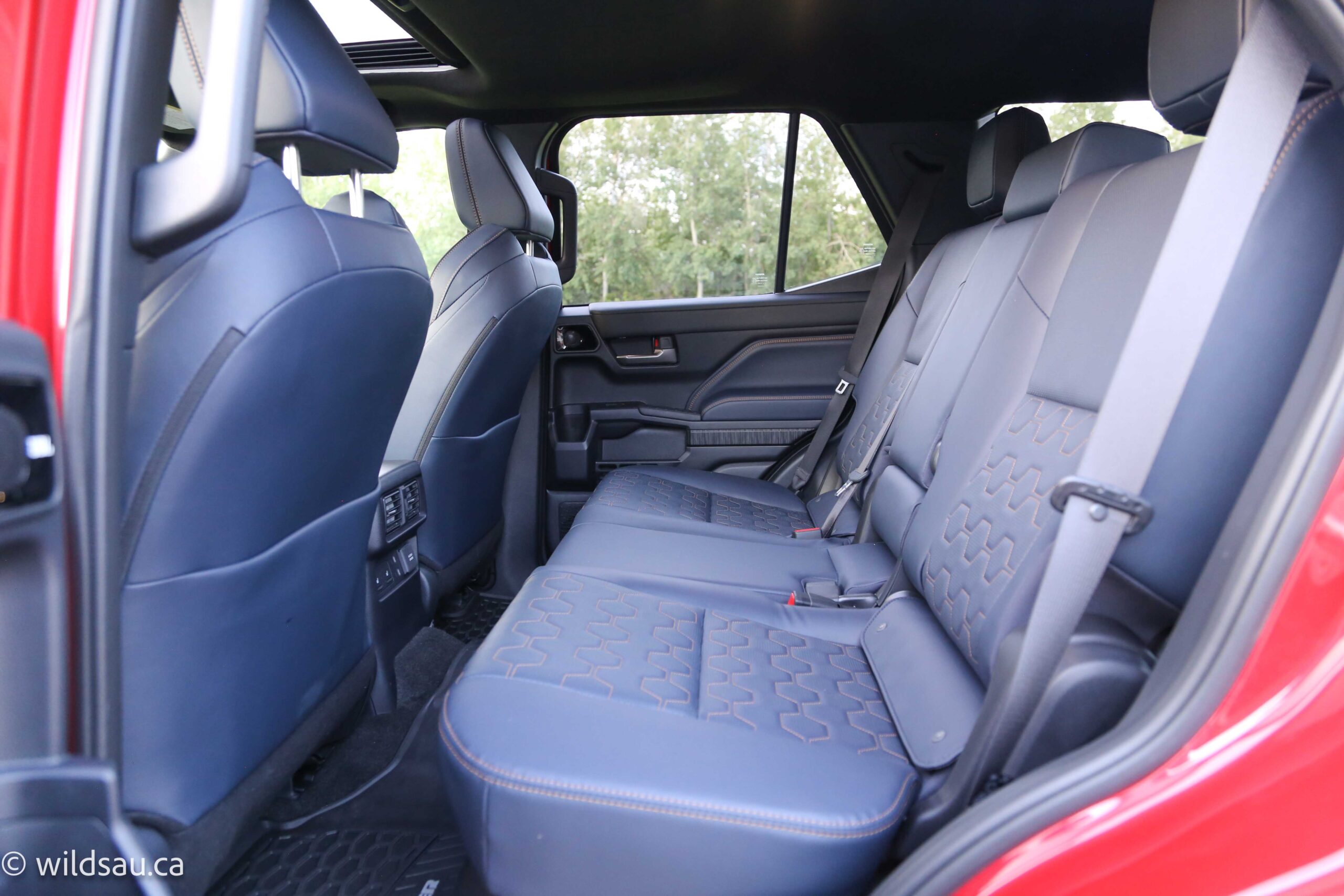
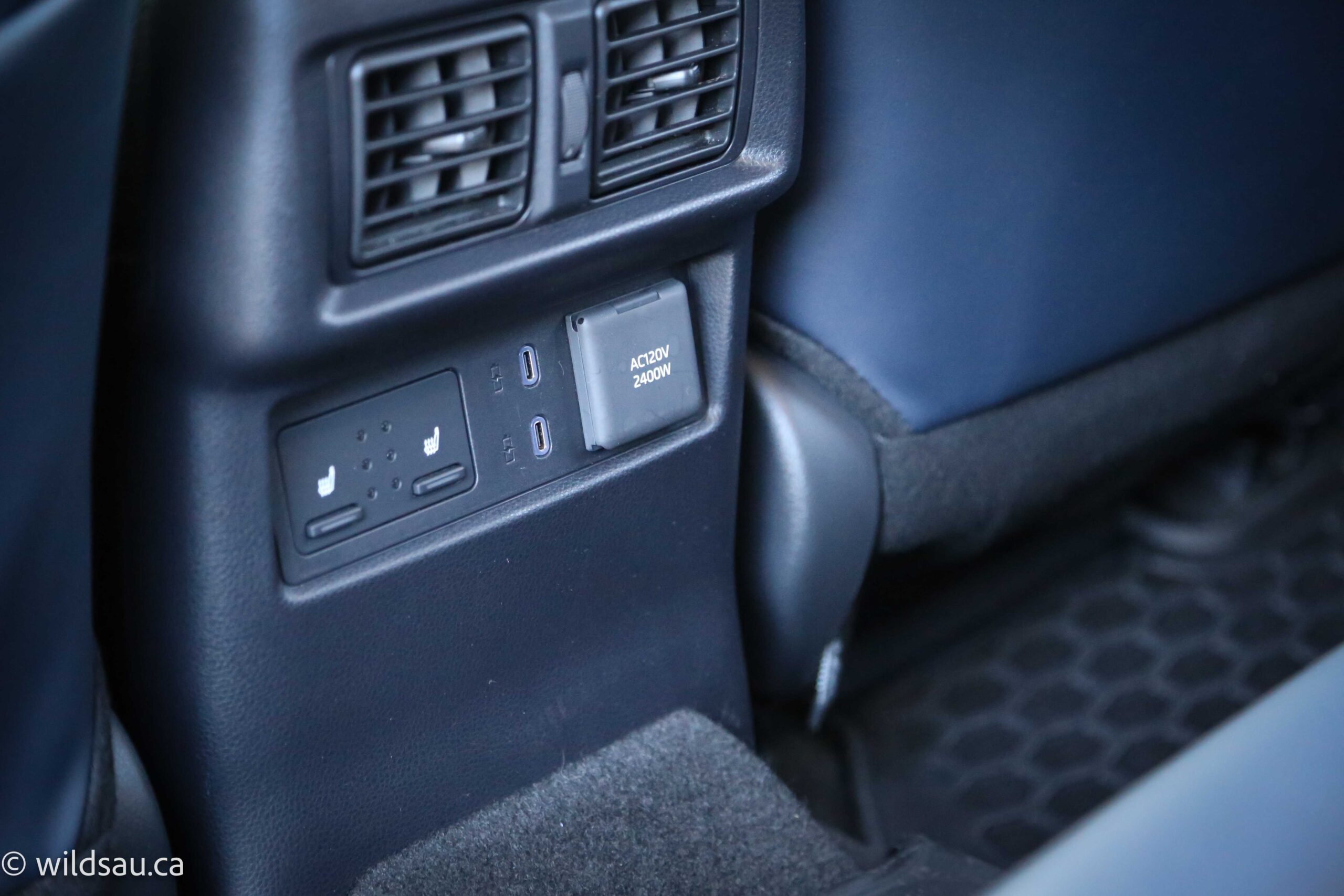
The outboard seats are heated. In terms of comfort and convenience, there are two USB-C plugs, a 120V household plug and adjustable air vents. Storage is courtesy of some solid door bins with water bottle holders, as well as the middle seatback that folds down to become an armrest with two cupholders.
No climate control for rear passenger in an $80,000 vehicle came as a surprise.
Storage
Below the climate control panel is a slanted bin where you can store and charge your smartphone as well as place a second phone (without charging it). USB-C and 12V plugs are found here as well. There is another small bin there, along with a massive grab handle on the passenger side. The armrest lid hides a small storage bin underneath. In front of the passenger is a drop-in bin across the dash face as well as a small glove compartment.
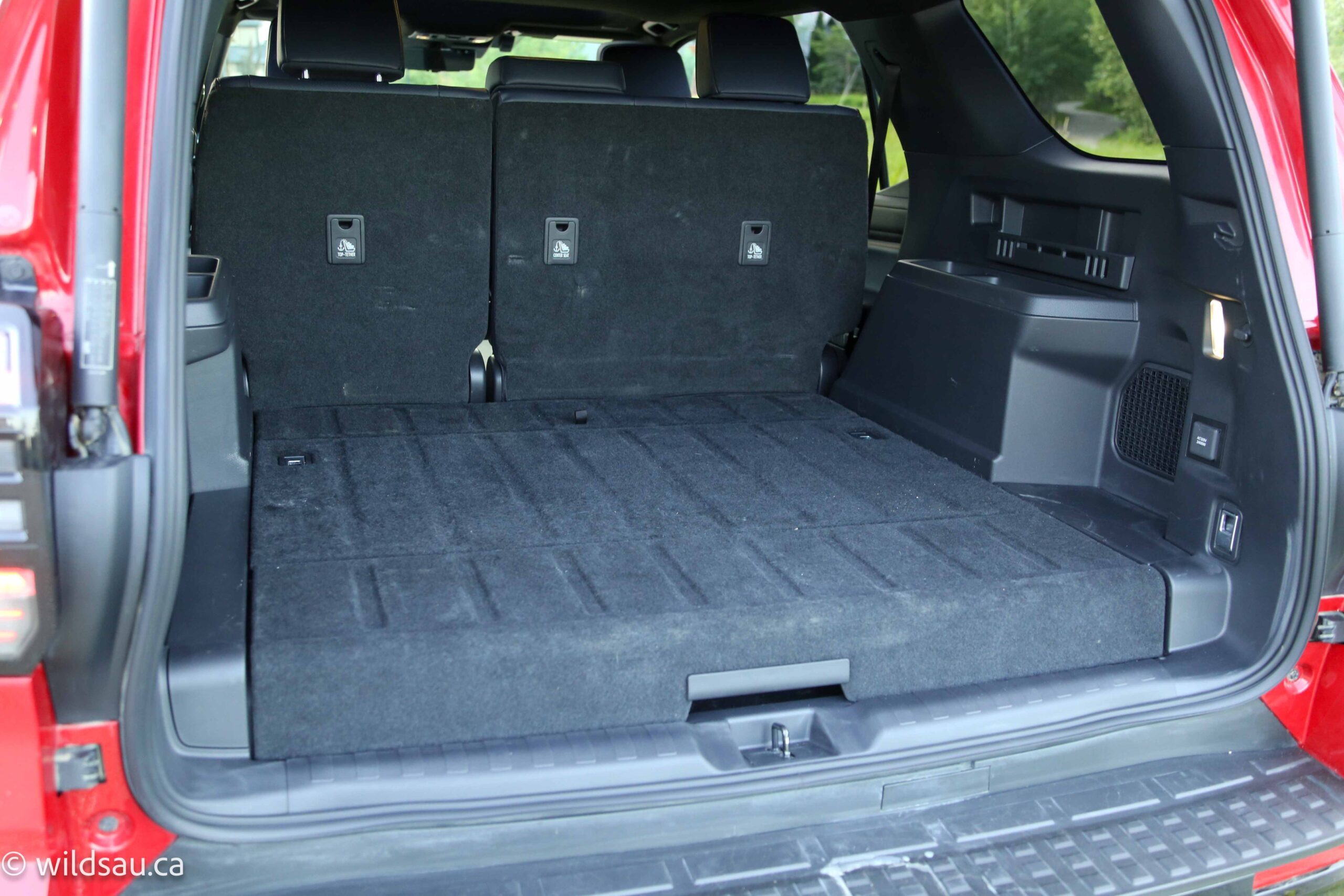
The liftgate is powered and reveals a very deep cargo space with a high load floor – capacity is 1206L. There are solid tie-down points and underfloor storage bins on both sides as well as at the front and the back of the trunk compartment. There are also small organizational bins higher up on the sides – I’m not thinking things would stay in those bins while driving, but they would be handy if you’re sleeping in the back of the 4Runner.
The rear seats split 60/40 and can be flipped completely forward, at which point they are flat but not level/flush with the trunk floor. I found that odd. With the seats folded, the cargo space increases to a very substantial 2339L.
Under the Hood
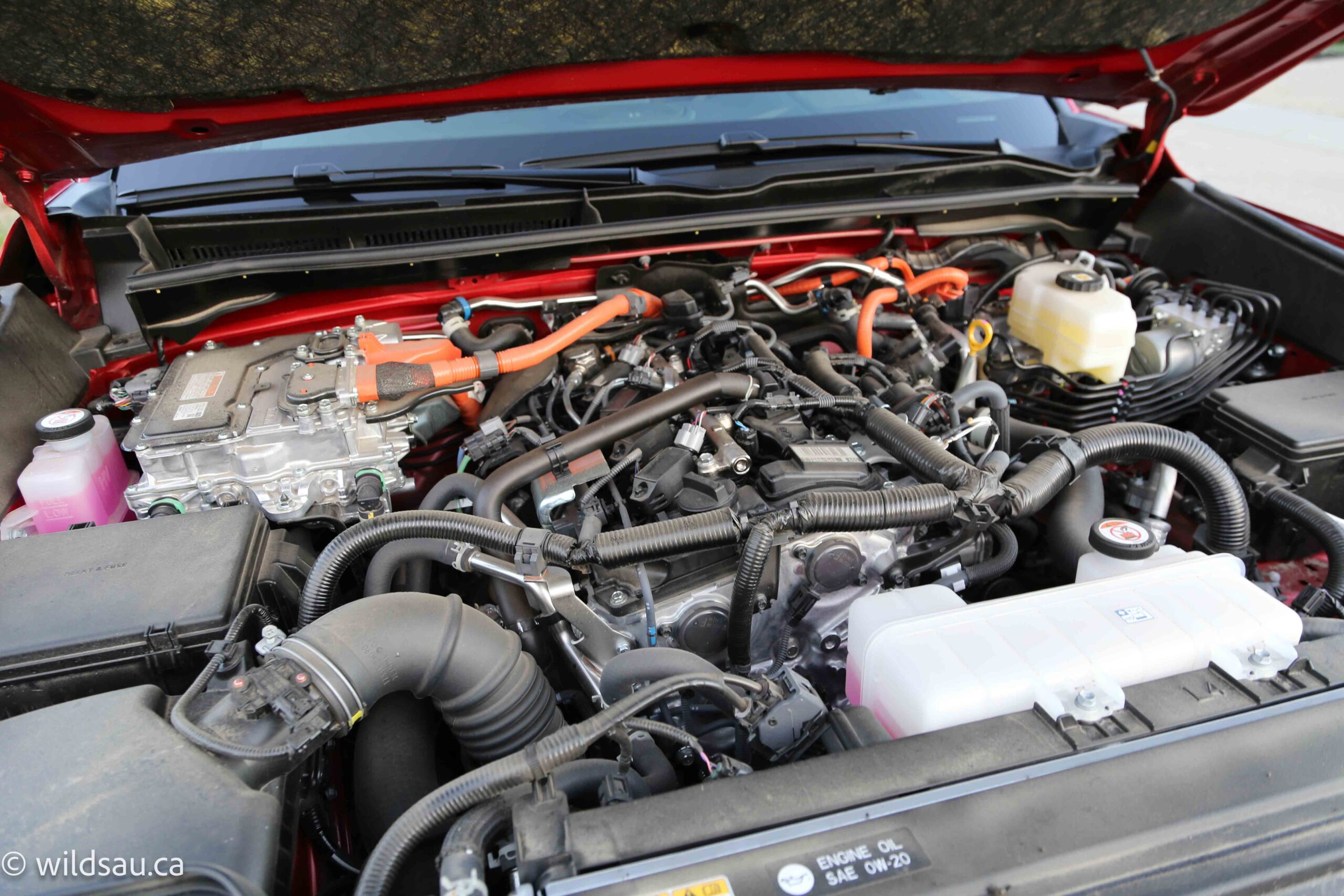
Motivating this 4Runner was the up-level powertrain, awkwardly named the i-FORCE MAX. It adds electric motors and a battery to the 4Runner’s new 2.4L turbocharged inline-4 to hybridize it, bringing horsepower up to 326 (from the base engine’s 278) and torque up to a massive 465 lb.ft (vs the base’s 317). All that jam gets fed through an 8-speed automatic transmission and to a full-time 4-wheel drive system.
Fuel economy is great considering the size and capability of this SUV and that’s it’s a real truck and, as I’ll get into a bit more later, a true 4×4 – ratings are at 10.3/9.5 L/100 km (city/highway). After a week of enthusiastic driving, mostly around the city, we averaged 11.5 L/100 km.
The Drive
The upgraded hybrid powertrain provides plenty of get up and go for the 4Runner. It’s smooth and it keeps building in a very linear way. It can be surprisingly powerful when you need it to be – but it can also be driven very smoothly day to day.
As I mentioned, this is still built on a truck platform and that comes with some compromises. My 4Runner had an adaptive variable independent front suspension but the rear suspension is still sitting on coil springs and when you hit some bigger road imperfections, you are reminded of the limitations of this suspension when it comes to smoothness. It still hops around but many find that truck-like ride endearing. With that said, this 4Runner is the smoothest that has ever existed and those relatively low-profile tires don’t appear to have a negative impact on the ride at all.
Handling is outstanding for a truck-based SUV, and the turning circle is decent.
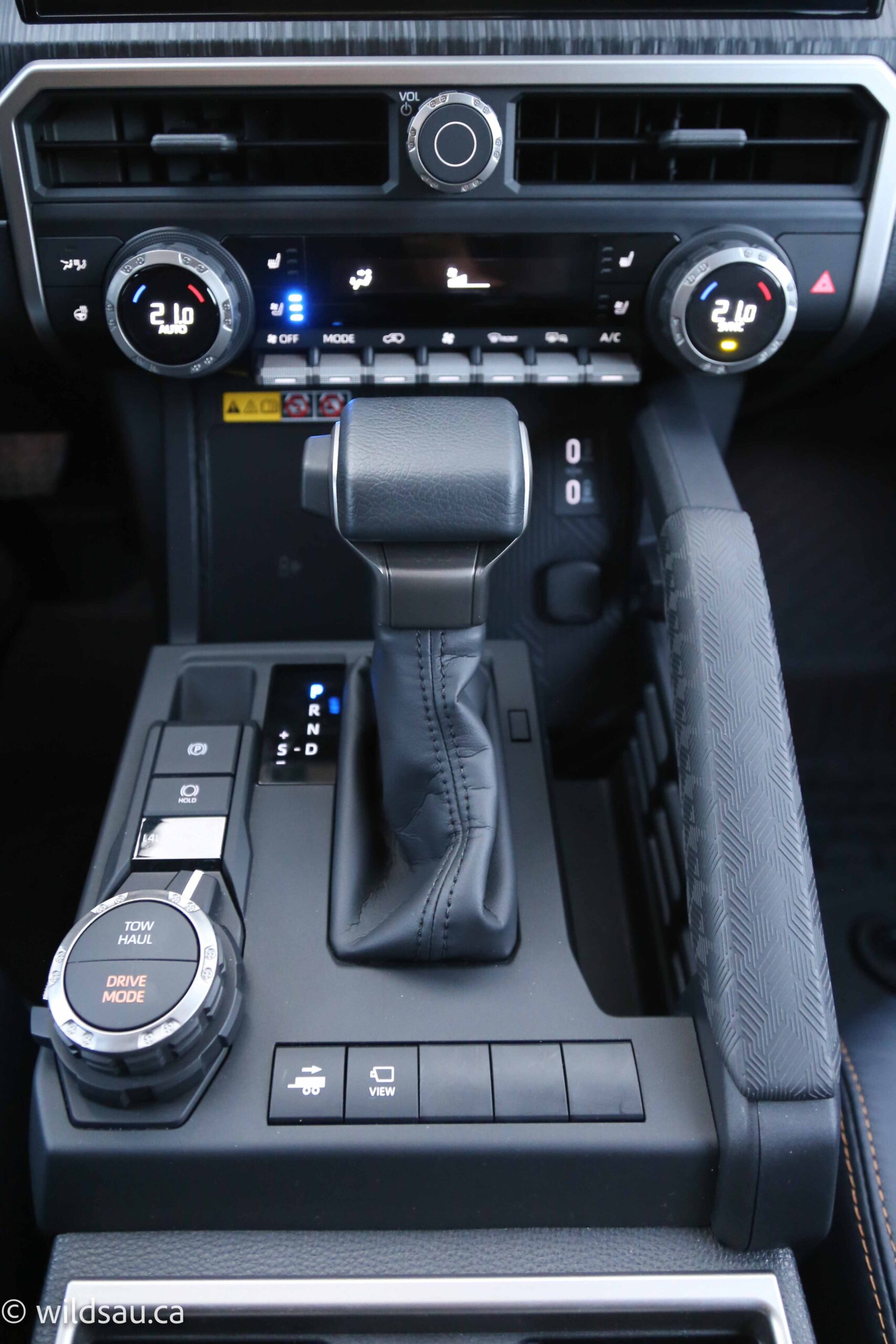
The console houses a drive mode selector allowing the driver to pick between Eco, Comfort, Normal, Sport S, Sport S+ and Custom modes. These impact the vehicle’s responsiveness. Putting it into Sport S or the S+ modes really makes this a dynamic driver and it has Active Noise Control to make it sound sportier too.
Braking is powerful but as with nearly all hybrids, there is a mushiness to them as they incorporate regenerative technology to charge the hybrid system. My brakes squealed quite a bit when backing up which was annoying.
Visibility out of the vehicle is OK. I found it hard to place the front corners because of the height and the view out of the back when the rear seats are up borders on useless.
Off-Roading and Lifestyle Details
Being a 4Runner, this is a legit 4×4 – none of this all-wheel drive business. This version of the full-time 4WD system has several modes – L4L (low speed, locked centre differential), H4L (high speed, locked centre differential) and H4F (high speed – this is where the vehicle should be for nearly all driving situations). Approach and departure angles and 19 and 22 degrees respectively. Under the trunk is a full-size spare, which only makes sense.
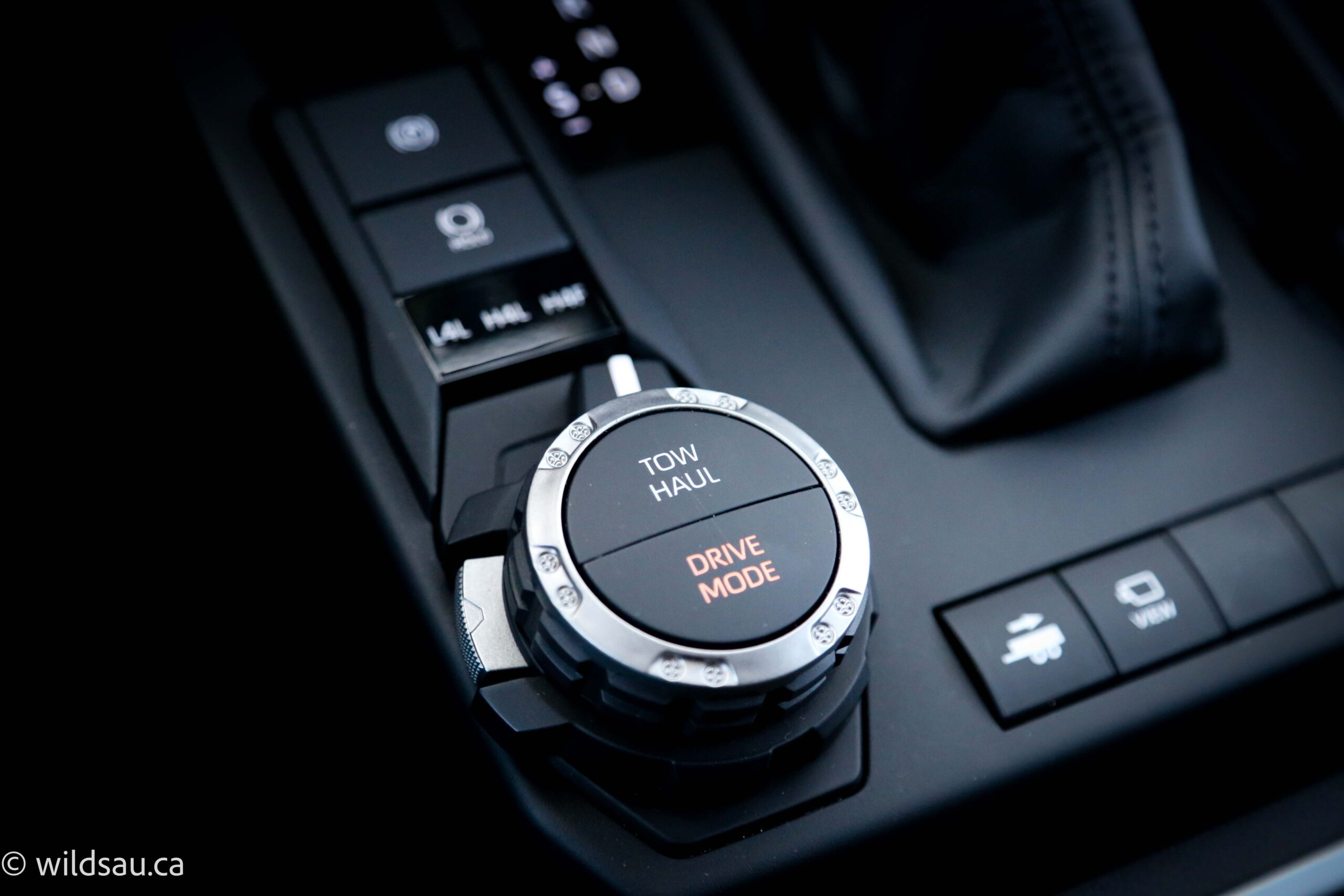
This 4Runner had a full tow package including a tow hitch receiver with wiring harness, a trailer brake controller and a trailer back-up guide with Straight Path Assist. Tow capacity is 5,800 pounds and there is a Tow/Haul driving mode as well. Payload capacity is 1096 pounds.
The trunk features a 2400W 120V power outlet. And yes, no need to panic – the power rear window is still there. This awesome feature is a long-standing 4Runner favourite for dog owners and campers alike. I love it! You can control the window with the up/down buttons on the tailgate or from the driver’s seat using the ceiling-mounted switch.
Nitpicks
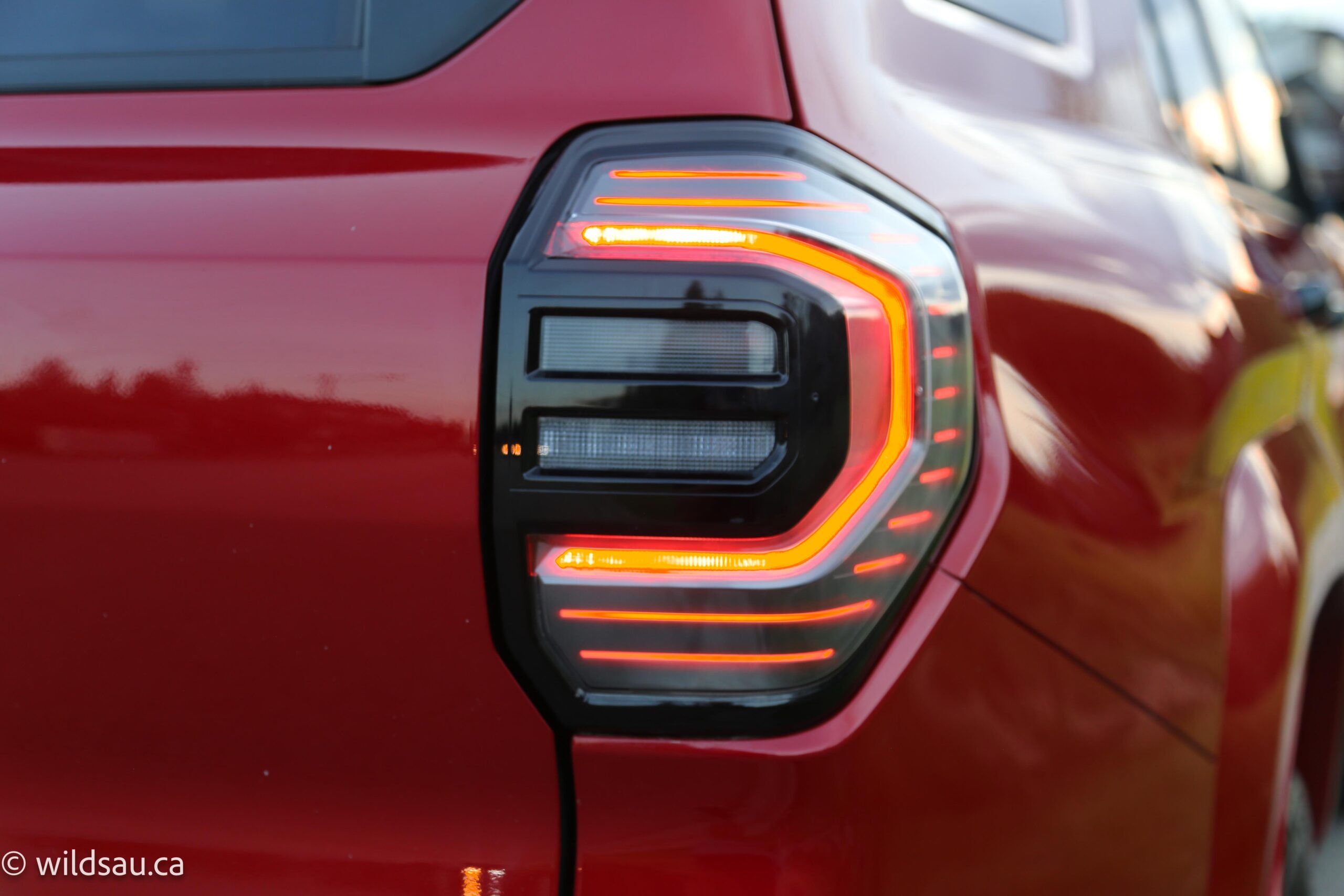
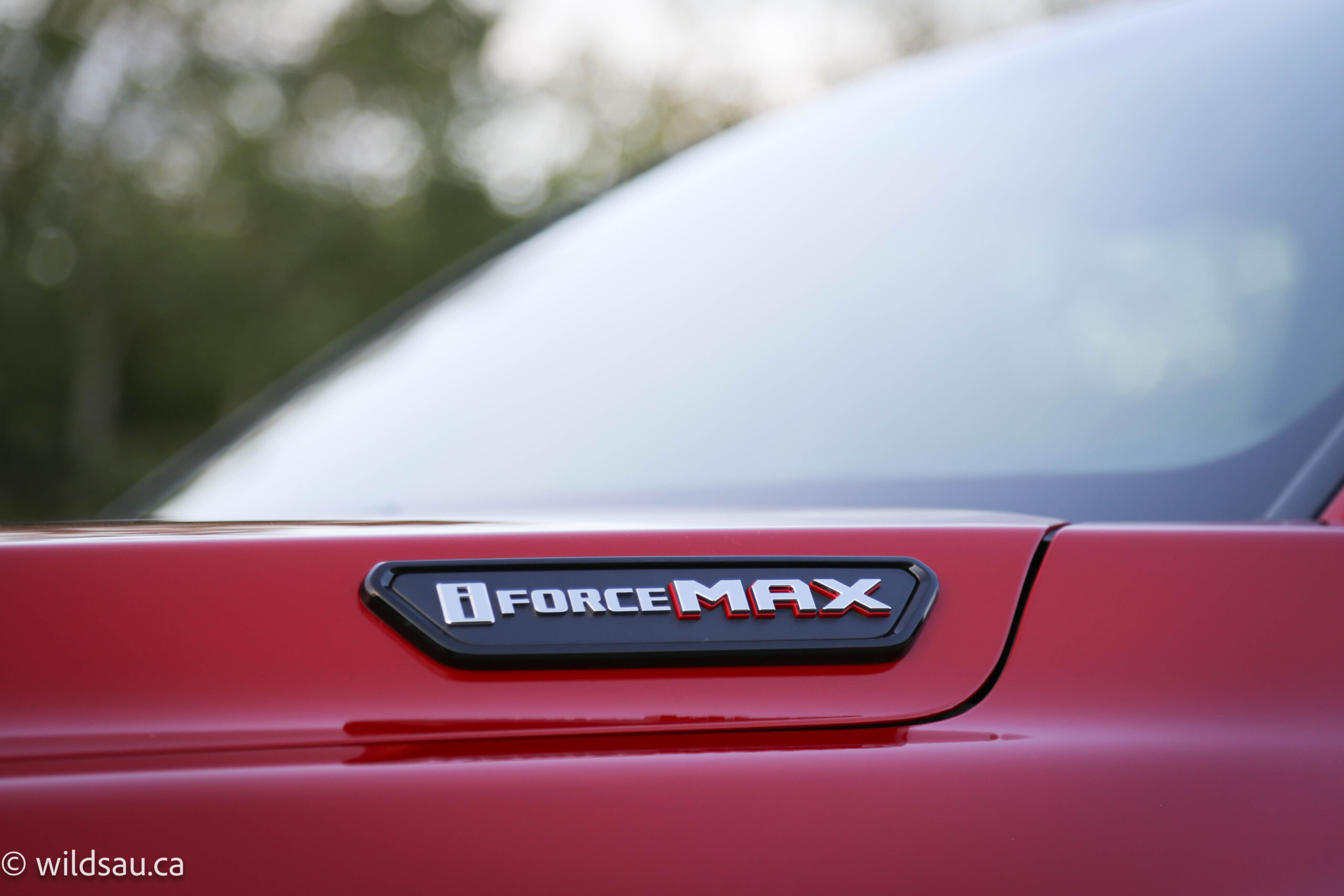
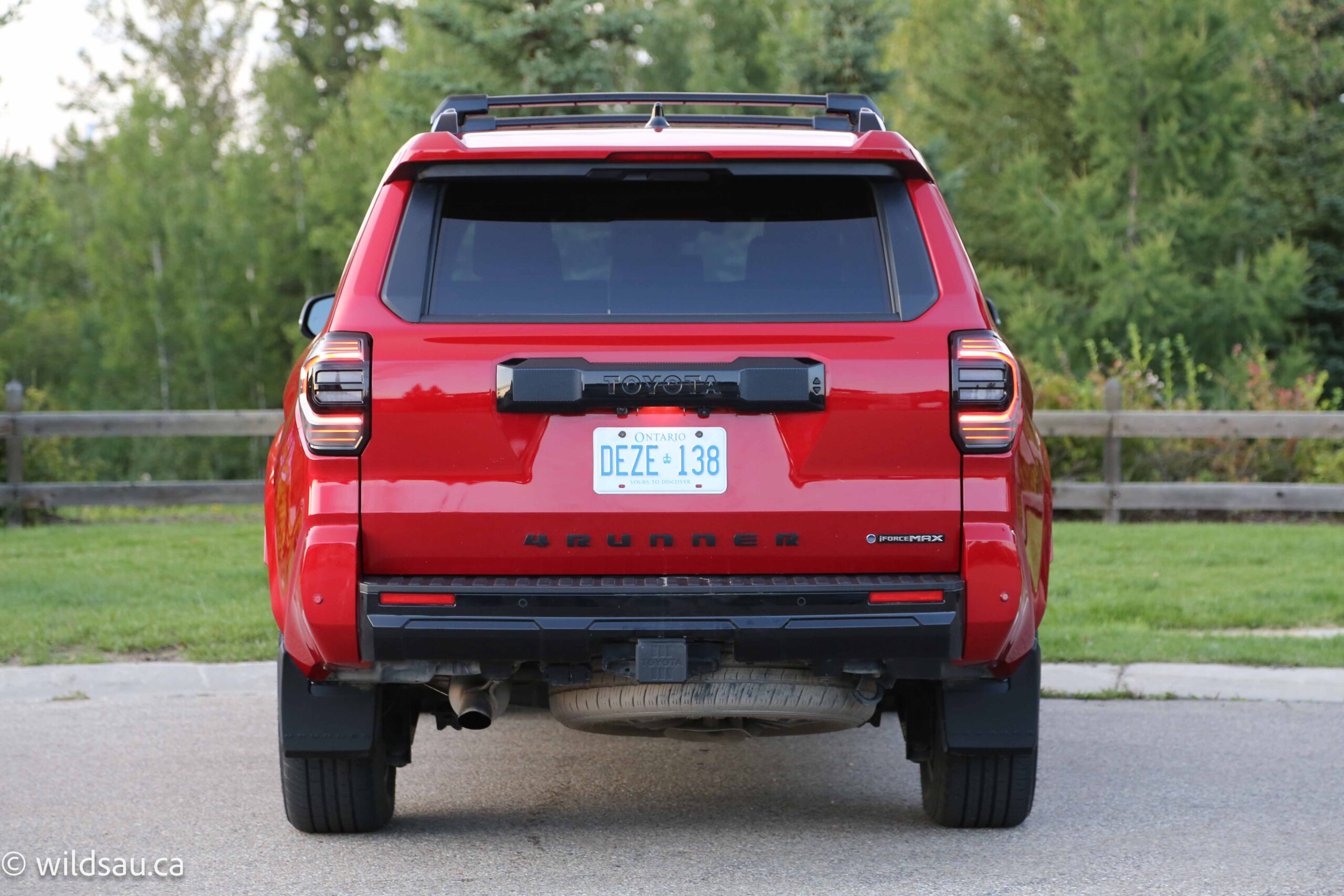
It’s not a big deal, but I found the iFORCE MAX badging pretty obvious and bordering on the obnoxious. I didn’t mind the one on the tailgate, but the cowl badge felt over the top for a Toyota.
The Verdict
WAF (Wife Approval Factor) was actually quite low. She felt the 4Runner was tough to get into and drove quite large – she also didn’t enjoy the truckish ride. But what does she know?
I have always liked the 4Runner, and have considered its compromises a trade-off for its abilities. The newest 4Runner has less compromises than ever before and it’s pretty easy to live with. I like that Toyota gives the buyer options in terms of powertrain, and plenty of different trims to choose from – which are visually quite different from each other. You can really make your own 4Runner now.
It’s a great adventure vehicle that functions perfectly well on-road and around the city as well. I like the styling, the amount of power in the upgraded powertrain, the utility and thoughtful features. I do feel the vehicle is on the pricier side now, which is an unfortunate function of the world we live in now. There are plenty of choices available at $80,000 – but the 4Runner will likely be at the top of the shopping list for those who know it. I love it!
Disclosure: Vehicle was provided by Toyota Canada.
If you enjoyed this review, feel free to check out my other vehicle reviews under the car reviews tab at the top of my blog.